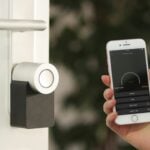
An integrated commercial security system is a setup where the alarm panel, cameras, access control, and monitoring service all read from the same event stream instead of running as separate boxes with separate logins. A forced door, a triggered motion sensor, and a camera clip tied to that same second show up as one incident, not three unrelated alerts a manager has to piece together later. For a property manager or business owner comparing quotes in Houston, the practical question isn't whether a vendor sells cameras and alarms. It's whether those pieces actually talk to each other once they're installed.
One Event, One Record, Not Three Separate Logins
A non-integrated setup usually means three or four vendor apps: one for the alarm panel, one for the camera DVR, one for the door badges, and a monitoring center that only sees the alarm feed. When something happens, someone has to log into each one and match timestamps by hand.
An integrated platform puts all of it behind a single interface. The alarm event, the door log, and the camera clip from the same moment are already linked, so the person reviewing an incident pulls one record instead of cross-referencing four.
Four Pieces of Hardware, One Decision Layer
Alarm Panels and Intrusion Sensors Set the Trigger
Door contacts, motion detectors, and glass-break sensors are what actually decide a breach occurred. The panel is the hub that collects those inputs and either sounds locally, notifies the monitoring center, or both.
Cameras Give the Alarm Something to Verify Against
On their own, cameras just record. Tied into the alarm panel, a triggered sensor pulls up the camera covering that zone automatically, so whoever reviews the alert sees the area in question instead of guessing which feed to check first.
Access Control Turns a Door into a Data Point
Badge or key-less entry readers log every door event: who entered, when, and whether the attempt was approved or denied. Linked to the alarm panel, a forced door after hours and a denied badge swipe both become part of the same incident record instead of two separate systems nobody cross-checks.
Monitoring is the Layer that Actually Acts on the Other Three
Hardware generates events; remote video and alarm monitoring is the human step that looks at the verified alert and decides whether to call the business, dispatch a patrol, or contact police. Without that layer, an integrated panel is still just logging incidents, not responding to them.
Camera-verified Alarms Get a Faster, More Specific Response
When a monitoring operator can pull the camera feed tied to a triggered sensor before calling anyone, they're reporting what they actually saw: a side door propped open, a person in a loading dock after hours, a broken window. That's a different call to police or a patrol unit than an unverified alarm with no context.
Integration also changes what an investigation looks like after the fact. Instead of asking the camera vendor for footage and the alarm company for an event log separately, an incident review pulls both from the same timestamp, which matters for insurance claims and for correcting whatever let the incident happen in the first place.
What to Check Before You Sign a Contract
Does the quote name a single platform the alarm, cameras, and access control all report into, or three vendor logins you'll manage separately?
Who is actually watching the alerts after hours, and what's the step between an alert firing and a person being called?
How long is camera footage retained, and is that retention period written into the contract rather than described verbally?
If the alarm panel and the access control reader come from different manufacturers, has the installer confirmed they can actually be bridged on this specific building, not just "in general"?
What happens to monitoring and alerts if the building's internet connection goes down?
Is the system sized for the building you have now, or for a hypothetical expansion that isn't funded yet?
Three Mistakes that Turn an Integrated System into Four Disconnected Boxes
The most common one is buying each component from a different vendor with no shared protocol, then being told integration can happen "later." Later usually means a second project and a second invoice, because the hardware was never chosen with compatibility in mind.
The second is installing access control without tying it to the alarm panel at all. A forced door should trip an alarm event, not just log a denied badge swipe that nobody reviews until something has already gone wrong.
The third is skipping the monitoring tie-in to save on a monthly fee. Cameras and alarms without anyone watching them in real time mean the system only tells you what happened after the fact, not while it's still happening.
A commercial security system in Houston that's actually integrated is designed as one project from the start, with the panel, the cameras, and access control specified to work together rather than assembled piecemeal. If you want a straight answer on whether your current setup qualifies or what a properly integrated build would cost for your building, request a quote from City Security Services and describe what you have installed now.
Frequently Asked Questions About Integrated Commercial Security Systems
Do I have to replace my existing cameras or alarm panel to integrate them?
Not always. Some panels and camera systems support third-party integration through existing protocols, so an installer can sometimes bridge what you already own. Whether that's possible depends on the specific manufacturer and age of your equipment, which is why a site walk-through matters more than a general answer.
How long does installation take for a single commercial building?
It depends on how much new wiring or access control hardware the building needs versus how much existing infrastructure can be reused. A building with existing conduit and a modern panel moves faster than one needing new cabling run through finished walls.
Can the system alert both a monitoring center and my own phone at the same time?
Yes, most integrated platforms support parallel notifications, so a manager gets a push alert while the monitoring center also receives and verifies the same event. The two aren't exclusive.
Is integration worth it for a single small office, or only for multi-building operations?
It matters most once a building has more than one system to begin with. A single camera with no alarm or access control has nothing to integrate with. Once you're running a panel, cameras, and badge readers together, tying them into one platform is what keeps a single break-in from turning into three separate reports to reconcile.
What happens if the building loses internet access?
Alarm panels typically keep a cellular or landline backup specifically so intrusion detection and the connection to the monitoring center stay live even if the building's internet goes down. Camera recording and remote viewing are usually what gets interrupted, since those rely more heavily on the network connection.
Does adding access control mean giving up physical keys entirely?
No. Many buildings run badge or key-less entry on main and after-hours doors while keeping physical keys as a backup for specific doors or for staff who need offline access. The two aren't mutually exclusive, and the transition is usually gradual rather than all at once.