
On This Page
- 9 min read
Mobile Patrols in Houston: What a 7–10 Minute Round Covers with City Security Services
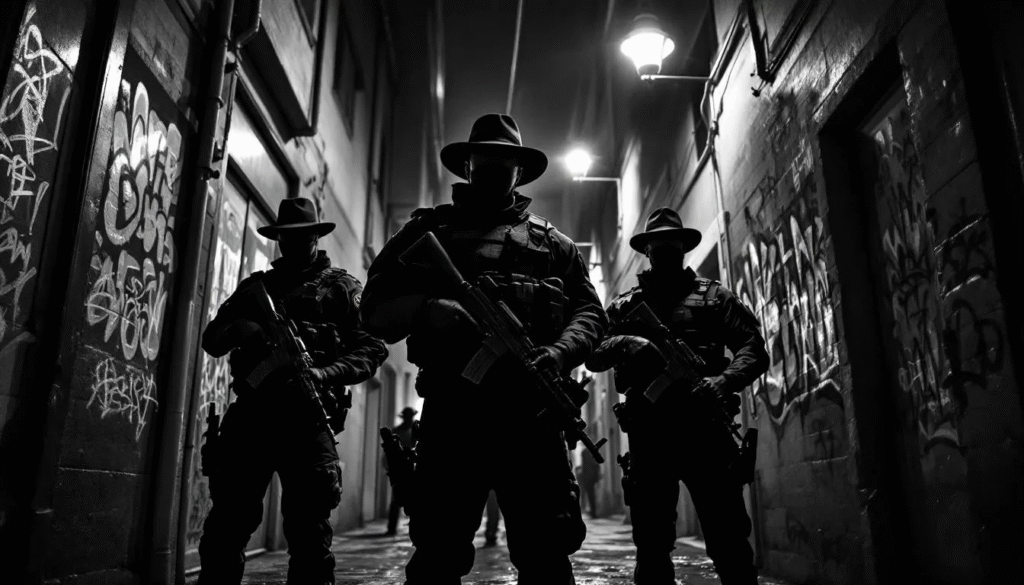
The decisive Houston stop—not a drive-by
So what does a 7–10 minute round actually do at 11:47 p.m.? You get a motion alert from the loading dock; we roll up with light bar on, dashcam recording, and high‑visibility presence. Two loiterers see us, move on, and we close a propped service door. We time‑stamp photos, scan the NFC point (a tap‑to‑verify checkpoint), and log a GPS (location tracking) trail. In minutes, the risk drops—and you get proof in your inbox.
Because our stops are unpredictable by design, they hit when it matters. One night it’s a Galleria garage at 2:10 a.m.; the next, a warehouse yard off East Freeway at 4:35. We sweep hotspots, tag burnt‑out lights, reset a finicky alarm panel, and relock gates—then dwell long enough to be seen. It’s not a random drive‑by; it’s a focused, 7–12 minute presence that deters trouble and documents every check with photos and time stamps.
Houston after-hours realities: neighborhoods, industries, and patterns
Before we show you those 7 steps and the proof, here’s why Houston needs them. Late-shift corridors along I‑10 and 610 keep sites active well past midnight, while Midtown and Montrose mix nightlife, residential, and service alleys. Near the Ship Channel, logistics yards run 24/7, and retail clusters around the Galleria spike after-hours; add flood season, heat waves, RodeoHouston, and Astros playoff surges, and risk windows shift nightly.
Patterns vary by neighborhood and hour. Downtown and Midtown see late pedestrian flow; the Galleria and Town & Country garages attract opportunists; Energy Corridor and Westchase office parks quiet down early; Greenspoint, Near Northside, and East End warehouse yards face gate tampering. Storm cells and power blips move quickly across Beltway 8 (Sam Houston Tollway), so after-hours exposures can open at 12:30 a.m. and again at 4:15.
Here are the Houston risk patterns we design mobile patrols to interrupt before they snowball.
- Opportunistic theft in surface lots and garages in busy retail districts
- Trespass and vandalism at unoccupied sites during build-outs and turnovers
- Alarm activations during storms or power outages common in hurricane season
- Catalytic converter thefts and unsecured gate access in industrial corridors
The real gap: visibility without accountability after hours
A drive-by every night at 10 p.m. isn’t protection; it’s a schedule. Cameras record (good), but without documented touchpoints—GPS (location) check-ins, NFC (near-field communication, tap-to-verify) scans, time-stamped photos—there’s no proof or intervention when something’s off. HPD (Houston Police Department) prioritizes emergencies; response to property calls can take time, especially during storms or peak events. Private security fills the gap between detection and response by being present, unpredictable, and able to act—locking a propped door, moving loiterers along, and escalating with evidence.
When all you have is ‘someone drove by,’ timing becomes predictable and bad actors wait you out. A rolling patrol with no stop, no lights, and no contact changes nothing. HPD and HCSO (Harris County Sheriff’s Office) must triage, so non-emergencies queue. Our officers deter in the meantime, document conditions, and create an auditable trail your insurer and property manager can rely on the next morning.
When visibility isn’t paired with action and proof, four things tend to happen.
- Repeat trespass patterns and escalating damage costs
- Insurance friction from weak documentation after incidents
- Employee anxiety for late or early shifts at 24/7 sites
- Unsecured doors, gates, or alarm panels go unnoticed overnight
Why ad‑hoc checks and cameras alone fall short in Houston
Ad-hoc routes hit the same windows: top of the hour, shift change, or closing. In big lots, cameras miss corners, stairwells, and the last two rows by the tree line. Multi-site supervisors crisscross Beltway 8 and I‑10, so a 15-minute delay becomes an hour. Add thunderstorms and localized power drops, and blind spots multiply. Crime of opportunity thrives on those gaps in presence.
Unpredictable timing is the deterrent you can’t fake. When rounds float between 12:20 and 12:55—or skip a pass then double back—people can’t pattern-match. During storms, generators hiccup, camera servers reboot, and humidity trips door sensors; the only thing that still works is a trained officer on-site. That’s why we design routes by risk tier and vary them nightly.
Here are the top three reasons the status quo underperforms across Houston.
- Predictable timing enables easy workarounds and stakeouts by bad actors
- No authority on-site to intervene, verify identification, or secure access
- Thin documentation weakens claims, recovery, and internal accountability
Inside our Houston mobile patrol: structured rounds that deter and document
We arrive in a high‑visibility patrol unit, radio in, and GPS check-in on site. Officers follow your post orders (property-specific instructions) and vary timing within agreed windows for deterrence. We light up entrances, alleyways, garages, and loading docks, then step out for an on-foot sweep as needed. Every touchpoint logs to a GPS-stamped timeline with notes and photos. Our priority is deterrence first, safety always.
Houston layouts demand nuance: tight Downtown loading alleys, multi-level Galleria parking, and sprawling East End yards each get different tactics. We park where we’re seen, dwell long enough to be noticed, and escalate on contact per policy. Supervisors spot-audit routes, and our Texas DPS (Department of Public Safety)-licensed officers apply de‑escalation standards before any use of force. The result is a consistent, professional presence that’s hard to predict and easy to verify.
Here’s the checklist we run each stop—and why it cuts risk and liability.
- Locks & Doors: Confirm all doors, roll-ups, and access points are secured
- Perimeter & Gates: Inspect fences, gates, and signage for tampering
- Lighting: Verify exterior and interior lights; note outages with photos
- Alarms & Panels: Check armed status and alarm history where permitted
- Vehicles & Lots: Patrol rows, ADA (accessible) spaces, dark corners; note loitering
- Hazards: Identify leaks, broken glass, blocked exits, or unsafe debris
- Staff Welfare: If employees present, conduct wellbeing check-in per post orders
From arrival to sign-off: our 7-step Houston patrol
You saw our Houston checklist—from locks to staff welfare. Here’s the 7-step round we run, with timing and escalation shaped by your post orders. Most stops run 7–12 minutes.
Step 1: Randomized approach and vehicle placement — arrive off-schedule, lights on; park visibly and within camera view.
Step 2: Radio/portal check-in and GPS timestamp — dashcam running, NFC tap logs arrival; supervisor sees check-in live.
Step 3: Exterior perimeter sweep and gate verification — inspect fences, gates, docks, ladders; relock, report.
Step 4: Interior access checks — test doors, alarm panels, electrical rooms; clear stairwells and lobbies per orders.
Step 5: Targeted risk focus — sweep lots, docks, ATMs, rooftop access; adjust cameras, log lighting outages, photo-document.
Step 6: Issue resolution or escalation — move trespassers on, secure hazards; call HPD/HCSO or HFD as required.
Step 7: Photo notes, update, sign-off — upload photos, NFC scans, timestamps; portal sends ETA to next site.
Proof you can see: GPS, photos, timestamps
Step 7 isn’t a box tick—it’s your paper trail in real time. Every round logs GPS breadcrumbs (a location trail), time-on-site to the minute, and photo annotations that show what we checked and fixed. You’ll get concise incident summaries—what happened, what we did, who we notified. Delivery is simple: secure client portal plus email notifications for exceptions. Want to see the format first? Ask for a redacted sample report; we scrub names and sensitive details but keep the structure, timestamps, and images so you know exactly what to expect.
You shouldn’t have to guess if a patrol happened. In your portal, you’ll see the breadcrumb map, check-in taps, and average dwell time for each stop. Example: 11:47 p.m. arrival, 9‑minute dwell, 6 photos, 2 NFC (near‑field communication, tap‑to‑verify) scans, propped door secured. High‑severity events trigger real‑time texts/calls; routine notes roll up in a morning summary. We track SLAs (service level agreements—response targets) like arrival windows and route adherence, and retain evidence under chain‑of‑custody for incident follow‑up. Next question: when do we call 911 or your on‑call? Our escalation playbook is simple and fast.
Here are the core fields you’ll see in every nightly report:
- Time on Site: arrival and departure stamps with GPS trail
- Patrol Route: areas inspected and sequence, including NFC checkpoints
- Findings: notes plus photos highlighting anomalies, hazards, or maintenance issues
- Actions Taken: fixes applied, relocks, alarm resets, or temporary controls
- Escalations: who was called, when, and current response status
Escalation you can trust: who we call in Houston, and when
So who do we call, when, and what happens next? We follow a Houston‑specific call tree: immediate threats → 911 (HPD—Houston Police Department; HCSO—Harris County Sheriff’s Office—based on jurisdiction) or HFD (Houston Fire Department) for fire, gas, or life safety. At the same time we secure the scene, notify your site contact and client distribution list, and loop our on‑call supervisor. Non‑emergencies route to HPD non‑emergency at 713‑884‑3131, property management, or towing per posted signage and contract. Every step is time‑stamped with photos, NFC scans, and officer notes for your morning report and insurance.
Decision criteria are simple: people or property at risk equals 911; uncertainty equals supervisor consult; routine issues equal client notification and fix. If fire alarms or sprinklers are impaired, we initiate a fire watch (continuous on‑site patrol per code and your policy) and inform HFD as required—this is operational guidance, not legal advice. Trespass enforcement follows your posted “No Trespassing” signs and Texas Penal Code guidance (non‑legal). Example: 12:18 a.m. cut gate; 12:20 911; 12:26 client texted; 1:02 HPD case number; photos and timestamps uploaded; chain‑of‑custody preserved. Next, we’ll compare mobile patrols to static guards and hybrids.
Want clearer call trees and contact lists? We’ll help you standardize post orders with Property Management Security planning that aligns vendors, signage, and escalation paths.
Which model fits your site? A quick Houston comparison
With post orders set, the next choice is model. This table compares deterrence, coverage, cost, and best fit for Houston sites—then we tailor routes to your neighborhood, e.g., Galleria vs. East End.
| Option | Coverage Pattern | Visibility/Deterrence | Relative Cost | Best Use in Houston | Primary Risk if Misused |
|---|---|---|---|---|---|
| Mobile Patrol | Randomized rounds across agreed time windows | High deterrence via visible vehicle, lights, and officer walk-throughs | Medium, pay per stop/visit | Multi-site portfolios, large lots, off-hours operations | Gaps if frequency too low for risk |
| Static Guard | Continuous on-site presence and access control | High at a single location; constant engagement | High, hourly staffing cost | High-risk sites needing constant presence and supervision | Higher cost without matching risk profile or clear duties |
| No Guard | None or ad-hoc checks by staff or vendors | Low; relies on signs, cameras, or remote monitoring only | Low short-term spend; higher long-term incident costs | Ultra-low risk or fully monitored, tech-integrated environments | Weak intervention and documentation when incidents occur |
How We Tailor Patrols to Houston’s Neighborhoods and Risks
If weak intervention and documentation are the risk, the fix is hyper‑local routing and post orders. Downtown/Midtown garages get stairwell sweeps and elevator lobbies around bar close, while Galleria retail needs garage rows and loading docks checked after late inventory. Energy Corridor campuses quiet early, so we verify doors and lighting on staggered loops. East End industrial yards require gate integrity and trailer checks. Greenspoint offices benefit from lobby and lot presence. We design routes around I‑45 (North Freeway), I‑10 (Katy Freeway), Beltway 8 (Sam Houston Tollway), and 610 (the Loop) to minimize travel and hit risk windows.
We cluster stops by corridor so you get more presence, less windshield time. Example: a Downtown–Midtown–EaDo (East Downtown) loop pairs garages, alleys, and dock doors; a Galleria–Westchase–Energy Corridor run covers garages and campuses. East End yards align with Ship Channel shifts; Greenspoint follows HPD (Houston Police Department) activity. Timing floats within windows to stay unpredictable. We tag hotspots, set NFC (near‑field communication, tap‑to‑verify) checkpoints where proof matters, and schedule supervisor audits. Want tighter coverage on a specific night? We’ll re-tier routes and add passes. Next, we dial patrols up for Rodeo, holidays, and hurricane season.
Managing multi‑tenant or corporate properties across these corridors? Pair patrols with broader support in our Commercial Security services Houston TX to align access control, cameras, and concierge coverage without losing the local flexibility you need.
Ready for Rodeo, playoffs, and storms: coordinated, traffic‑aware patrols
That local flexibility you need is exactly how we scale for Rodeo weeks and playoff nights. 60–90 minutes before gates open, we run pre‑event sweeps around NRG Park (stadium and event complex), Toyota Center, and Minute Maid Park: parking rows, stairwells, dock doors, ATMs. We coordinate with venue security and your team, then stage patrol units where they’re visible but out of traffic. Post‑event, we pivot to dispersal patrols as crowds spill to Fannin and Main, and we route away from US‑59/I‑69 ramps to avoid gridlock. The goal: quick deterrence, fast resets, clean handoffs.
Traffic-awareness is everything on event nights. We time arrivals between rail crossings and police barricades, and we pre‑plan detours: South Main or Almeda for NRG, Polk/La Branch for Toyota Center, Chartres or Navigation for Minute Maid. We avoid 59/69 on‑ramps during egress and use side streets. If parking garages hold longer than expected, we add a late pass for stairwells and loading alleys. When storms hit, we extend post‑event windows for leak checks and power blips. You get flexible timing without missed stops. That’s the advantage.
Planning a festival, conference, or game? Explore our Event Security Houston for staffing, barricade planning, and command posts that pair perfectly with mobile patrols.
When Mobile Patrol Shines: Five Houston Scenarios
Events need surge staffing; everyday sites need steady coverage. Mobile patrols work with your alarms and cameras to verify alerts, close gaps, and stop issues early. Here are the scenarios we see most.
- Retail centers and garages—visible passes and stairwell sweeps; see parking lot security services Houston for deeper coverage.
- Construction sites—randomized tool crib checks and fence lines; explore Construction Site Security Houston for 24/7 builds.
- Logistics and warehouses—after-hours dock sweeps and trailer yard patrols near the Ship Channel.
- Multifamily and homeowners associations (HOAs)—clubhouse, pool, and gate checks aligned with community guidelines.
- Medical and education—quiet-hour rounds with staff safety check-ins and escort options.
A quick East End snapshot: one campus, clearer nights
Those quiet‑hour rounds we use in medical and education? They’re just as powerful in the East End. A warehouse campus kept finding cut fence ties and a propped side door two to three nights a week. We shifted to randomized mobile patrols. We added NFC (near‑field communication, tap‑to‑verify) points at gates and dock doors, and we photo‑verified lockups after 10 p.m. We refined the escalation tree: call the on‑call manager first, then HPD non‑emergency (Houston Police Department) when needed, and towing per posted signage. Within four weeks, attempted entries dropped from 9 to 3, and your night crew felt safer walking to cars.
By day 60, trespass attempts were down 64%, and the pattern shifted: fewer late‑night fence cuts, zero propped doors after close. Morning reports showed exactly what you’d want your insurer to see: GPS breadcrumbs (a location trail), NFC scans at checkpoints, and time‑stamped photos of secured doors. Two incidents escalated per the tree, generating HPD case numbers and clean chain‑of‑custody notes. We tuned timing weekly without raising cost. Result: fewer late-night calls for you and cleaner documentation your adjuster accepted. Next up: how these patrols sync with cameras, alarms, and access control.
Layered protection: pairing patrols with video, alarms, and on‑site coverage as you grow
As promised, here’s how our patrols sync with your cameras, alarms, and access control. Tired of 2 a.m. alerts with no one on site? We program alarm response directly with your central station (monitoring center) so a 2:08 a.m. signal pushes to our patrol unit. We target 15–25 minute arrivals based on route design and risk. Remote video verification (an agent reviews live camera feeds) guides the officer to the right door, dock, or stairwell. During peak seasons, we stage units near hotspots and add scheduled lock/unlock rounds.
Operationally, it’s simple: your VMS (video management system) flags motion; your ACS (access control system) shows a door‑prop; we roll, verify, and reset. If incidents spike or you expand a building, we shift from patrol‑only to hybrid: add a 4‑hour static post at close, keep two mobile passes overnight, and review data monthly. Need short bursts for events? We’ll layer in a concierge or lobby officer during rush while patrol verifies alerts and resets cameras. Result: fewer false dispatches, faster fixes, and coverage that grows with you.
Want fixed coverage alongside patrols? Explore our Security Guard Services Houston for posts that anchor busy entrances and docks.
Mobile Patrol FAQ for Houston Decision‑Makers
If pairing patrols with a fixed post raised questions, you’re not alone. Here are concise, Houston‑specific answers so you can plan confidently and move forward today.
- Q: How many rounds per night? A: Risk drives it—low: 2–3 stops; medium: 3–5; high: 4–8. Randomize timing within windows; typical dwell is 7–12 minutes.
- Q: Do you cover our area? A: Yes—inside the Loop (I‑610), across Beltway 8 (Sam Houston Tollway), and suburbs: Katy, Sugar Land, Pasadena, Pearland, and The Woodlands.
- Q: Can patrols handle alarm responses? A: Yes. We integrate with your monitoring center, verify on‑site, reset if authorized, and document with GPS, photos, and timestamps to download.
- Q: What about fire watch? A: We provide temporary fire watch per local code, continuous roving checks, time‑stamped logs with photos, and supervisor oversight until systems are restored.
- Q: How do you work with HPD? A: Life‑safety threats: 911 to HPD (Houston Police Department). We secure, preserve evidence, brief officers, and send reports with time‑stamped images.
- Q: Can we adjust post orders quickly? A: Yes—email or portal update triggers supervisor approval, pushes to officer devices, and updates reporting templates before the next round.
Houston mobile patrols, verified and fast—start in 72 hours
Ready to tune post orders and patrol timing? Request a mobile patrol assessment for Downtown, Galleria, Energy Corridor, or the Heights. As a leading security guard company Houston, we deliver a tailored plan and quote in 24–48 hours—plus a sample report.
Broaden your plan: full‑service security for Houston properties
Already working on your Houston Patrol Plan? If you’re still evaluating options, we also staff on‑site officers, manage events, run fire watch, and secure banks, schools, hotels, and commercial sites—so your coverage scales from a few nightly passes to 24/7.
Prefer a hybrid? We can anchor entrances with fixed posts, schedule lock/unlock rounds, and add seasonal surge teams for Rodeo, holidays, and storms. One plan, one report format, Houston‑trained officers, and supervisor oversight 24/7.
Get Expert Help
Let's discuss your test plan