
On This Page
- 9 min read
Do You Need Fire Watch Services for Your Event in Houston?
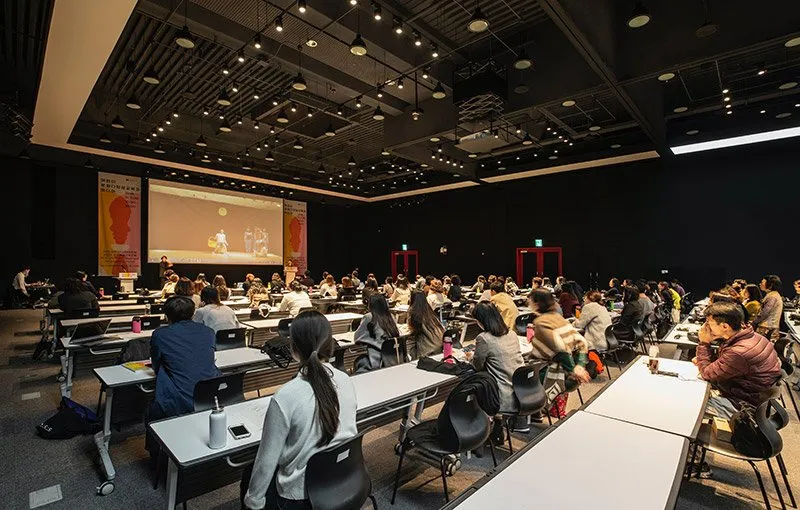
Load-in at George R. Brown, and a question stops everyone
Forklifts are chirping on Hall C at George R. Brown as banners rise and the caterer lights sternos (open-flame food warmers). Your DJ rolls in fog machines, the audio/visual (A/V) crew wheels out a generator, and someone mentions a small pyro pop at 8:15. Doors open in three hours. The radios crackle the question no one wants this late: do we need fire watch tonight?
We’ve seen this movie across Houston—from Discovery Green to Midtown street closures. You’re juggling permits, vendors, and a Fire Marshal walk-through, and the clock’s brutal. If alarms are down, if propane is on site, or if pyrotechnics are planned, fire watch (trained personnel who patrol and log safety checks) may be required. So before anyone guesses and hopes, you ask the only question that matters: do we need fire watch tonight?
HFD Fire Marshal: The authority on event fire watch
If HFD makes the call, how do you get a straight answer fast? Houston follows the International Fire Code (IFC, the national life‑safety rulebook) with local amendments, and the Houston Fire Marshal’s Office is the AHJ (Authority Having Jurisdiction, the local decider). Expect three checkpoints: a pre‑event plan review, a walkthrough on site, and day‑of checks before doors or at load‑in. We line these up early so nothing becomes a last‑minute surprise.
Your job is to propose a sensible plan; the AHJ approves or adjusts it. We package a floor plan, schedule, headcount, vendor list (food trucks, open flame, generators), and any system impairments, then submit for guidance. Example: for a tented Midtown gala, we’ll propose roving patrols plus fixed posts at cooking stations. HFD’s feedback usually arrives fast when the packet is clear.
Fire watch covers life‑safety hazards and documentation. It’s different from security’s crowd control and access management. We often pair both: our fire watch focuses on hazards and logs while our event security Houston team manages lines, badges, VIP movement, and backstage. One plan, two roles, clean communication.
Houston’s layouts drive decisions. Downtown high‑rises have tight loading docks and limited hydrant access; EaDo and Heights warehouses mix older infrastructure with temporary exits; Midtown street closures change crowd flow and fire‑lane access. These details shape the number of posts, patrol routes, and how we stage radios and extinguishers.
- Convention floors (GRB): exhibitor demos, power runs, and aisle egress.
- Stadium concerts (NRG Park): pyrotechnics, smoke effects, and sudden capacity surges.
- Outdoor festivals (Discovery Green/Buffalo Bayou): generators, food trucks, and wind.
- Warehouse pop-ups (EaDo/East End): older buildings, temporary exits, tricky egress.
- Hotel galas/ballrooms (Galleria/Medical Center): décor, drape, and fog effects.
Why events get flagged for fire watch
Most “flags” aren’t dramatic. They’re simple issues that stack up: an impaired alarm or sprinkler, last‑minute capacity shifts, heavy décor or fabric with poor flame ratings, fog/CO2 effects (carbon dioxide) that obscure exits, or hot work like welding. At Houston’s big venues and temporary outdoor sites, these risks compound fast because distances are large and vendor counts are high.
When they trigger fire watch—or fail an inspection—you can see fines, delayed doors, reduced capacity, or cancellations. Insurance carriers may require documentation, and a shutdown becomes tomorrow’s headline. We plan to avoid both.
Screen for these during planning and walk‑throughs so you catch them before the inspector does.
- Inoperable alarms/sprinklers: impairment or offline panels.
- Overcrowding or altered seating plans that reduce aisle width/egress.
- Hot work (welding/grinding): even brief demos can trigger coverage.
- Pyrotechnics/flame effects: beyond built-in suppression capabilities.
- Fog/haze, special effects, or drape/fabric with poor flame ratings.
- Generators, fuel storage, food trucks, and temporary power near exits.
- Closed or obstructed exits, ADA routes (accessible paths), or hydrant/fire lane access.
Show-day fire watch scrambles cost time, money, and approvals
When exits or fire lanes are blocked, the clock gets loud in Houston. HFD (Houston Fire Department) permit reviews for pyrotechnics and hot work require complete packets; late edits or missing drawings push you to the back of the queue. Peak weeks fill inspector walkthrough slots early. Downtown load-ins around George R. Brown Convention Center (GRB) and hotel ballrooms choke between 2–5 pm, so a “quick” fix can delay the pre-show walkthrough, DJ sound checks, and caterer fire clearances. Small slip. Big ripple.
Severe weather and summer heat add friction. Thunderstorms shut outdoor tents and delay generator setups; 98°F heat means longer rotations and more water breaks. Contractor availability is finite—licensed operators, ushers, and trained fire watch can’t appear out of thin air on festival weekends. And if an alarm or sprinkler is impaired, AHJ (Authority Having Jurisdiction, usually HFD) may require 24/7 watch until restoration. That turns a four‑hour gala into round‑the‑clock logs, reliefs, and budget pressure.
Line up a local partner who can flex coverage, swap posts, and add reliefs without drama. Our bench handles same-day starts and overnight shifts; see our security guard services Houston depth when plans change at 4 pm. We pre-build logs, radios, and post orders so you stay ahead, not behind.
Your Houston fire watch playbook: seven steps that work
Here’s the simple, Houston-tuned way we keep events compliant and on time. Use this seven-step plan with your venue schedule, vendor milestones, and HFD (Houston Fire Department) checkpoints. Drop each step into your production timeline—load-in minus days, door times, and strike—so nothing gets missed when the radios get busy.
Step 1: Pre-plan with venue: confirm system status, egress maps, impairment logs, extinguisher locations, and HFD requirements; book walk-through windows and loading dock times.
Step 2: Risk screen: flag pyrotechnics, fog/haze, décor fabrics, temporary power, propane/fuel storage, crowd surges, and weather triggers; note when each is active on the schedule.
Step 3: Engage HFD early: align inspection timing, duty hours, public safety plan elements, open-flame/tent permits, and documentation; confirm who AHJ contact is for day-of changes.
Step 4: Staff right: define fixed posts at egress, stages, and fuel zones; set patrol routes and intervals; add relief coverage and supervisors based on risk.
Step 5: Hot work protocol: require permits, fire blankets, extinguishers, dedicated watch; coordinate controls with construction site security Houston to manage badges and fuel.
Step 6: Comms drill: finalize reporting tree, radio channels, plain-language callouts, emergency numbers, and incident logs; brief vendors on how to escalate and who confirms fixes.
Step 7: Show-day checklist: run a timed walk-through with vendors and venue/HFD; confirm posts, radios, extinguishers, and egress; sign off before doors and document changes.
Houston venues fire watch: quick staffing matrix
That walk-through goes smoother when you start with a clear, Houston‑tuned plan. Use this matrix as a starting point—examples, not mandates. Adjust by square footage, crowd density, multi‑level egress, and special effects. We propose, the AHJ (Authority Having Jurisdiction, usually HFD) approves. Skim your scenario, right‑size posts, then see the quick Houston case study next.
| Event scenario | Trigger signs | Houston-specific considerations | Example fire watch staffing | Permit/coordination notes |
|---|---|---|---|---|
| NRG Park stadium concert with light pyrotechnics | Flame effects, smoke/haze bursts, roof load rigging, confetti cannons | Weather/wind during load, roof operations, mass ingress and exit timing | Example: 2 stage posts, 4 egress posts, 2 roaming pairs, 1 supervisor, relief rotation every 45–60 minutes. | Confirm pyrotechnics permit; joint walk with venue and HFD; verify extinguishers and kill‑switches at effects control. |
| Galleria hotel ballroom gala with fog/haze effects | Haze density, low alarm sensors, fabric décor flame ratings, open‑flame catering | HVAC returns and alarms, drape proximity to exits and sprinklers | Example: 1 perimeter/egress post per exit, 1 ballroom patrol, 1 kitchen watch during open flame, 30‑minute logs. | Coordinate with hotel life safety, review impairment logs, run haze tests, confirm extinguisher placement and fuel storage. |
| EaDo warehouse art show/pop‑up activation | Mixed occupancy, temporary lighting/power runs, older doors and hardware | Temporary egress hardware, hydrant access routes, uneven floors, distant exits | Example: 1 entry post, 1 exit post, power‑run patrols; coordinate with warehouse security services Houston for lockups and access. | Temporary assembly coordination; verify extinguishers and exits; pre‑event talk with HFD on crowd cap and egress routes. |
| Discovery Green outdoor festival with food trucks | Propane cylinders, generators, cable guards, peak crowd surges | Wind load on tents, cable ramps in ADA (accessible) routes, emergency lane preservation | Example: fixed fuel‑zone posts, scheduled egress sweeps, two roving pairs per zone, supervisor during peak hours. | Review food truck and generator placement; protect fire lanes; post extinguisher checks; coordinate vendor permits and inspections. |
| George R. Brown expo with live welding demo | Sparks and slag, compressed gas cylinders, hot surfaces after shutdown | Demo shields, floor plan lines, aisle widths, audience distances | Example: dedicated demo‑area watch, 2 egress posts nearby, roving patrol during welding; water can and ABC extinguisher. | Hot work permit, exhibitor briefing, daily start/stop checks, cylinder storage controls, end‑of‑day cold watch notes. |
Midtown Festival Opens On Time, No Incidents
Hot work permits, exhibitor briefings, and start/stop checks only matter if they hold under pressure. Two hours before gates, a Midtown street festival was flagged for generator placement and dense fog effects around a main stage. You don’t have hours to spare; we didn’t either. We arrived within 90 minutes, mapped zones, shifted generators 10 feet from tents, cleared partially blocked exits, and noted cable runs across ADA (accessible) routes.
We coordinated live with the Houston Fire Department (HFD): sent the site map, schedule, and draft post orders for a quick thumbs‑up. Staffing went to six: two fuel‑zone posts, two egress posts, one roving pair, and a supervisor. Logs every 30 minutes. Radios on plain language with a simple escalation tree and a 911 call script.
Result? The HFD inspector arrived 75 minutes before opening, reviewed the plan and sample logs, and requested one tweak: a sweep at each fog cue. We adjusted in two minutes. Gates opened on time, no incidents were reported, and egress stayed smooth during 8–10 minute crowd surges. Want to know exactly what our fire watch guards do and how we keep comms calm? That’s next.
What Our Fire Watch Guards Do On Site
You asked how we keep comms calm—exactly what our guard team does on the ground. Our objectives are simple: prevent hazards, detect issues early, report clearly, remediate fast, and facilitate safe evacuation. We coordinate with the venue lead, production, and the Houston Fire Department (HFD), using fixed posts and 30‑minute patrol logs so nothing slips.
Below are the duty highlights we brief at call‑time so your production, venue, and radio discipline stay aligned. Use them to set expectations before load‑in and confirm with the HFD inspector.
- Watch: Patrol high‑risk zones, exits, generators, cooking/heating, cords, and utility rooms.
- Report: Use plain‑language radio, escalate to supervisor, venue, and AHJ (Authority Having Jurisdiction).
- Remediate: Clear blocked egress, move fuel, post fire lanes, deploy extinguisher only when safe.
- Evacuate: Guide crowds, protect ADA (Americans with Disabilities Act) routes, confirm headcounts, assist HFD per protocol.
- Document: Time‑stamp patrols, incident notes, vendor fixes, and end‑of‑shift summaries.
Permits and Coordination with the Houston Fire Marshal
So how do you get that AHJ (Authority Having Jurisdiction) release? It doesn’t happen by accident—it’s the result of clean permits and proactive coordination. We start with early outreach to HFD (Houston Fire Department): share your site plan, egress map, schedule, and equipment specs for open flame, tents, and generators. Then we align on inspection windows and who the day-of inspector will be. For typical events, we aim to lock packets 5–10 business days out; rush cases are possible with complete drawings and vendor details.
Next, we draft inspector-ready post orders, staff lists, and log templates that mirror your zones. On show day, we meet the inspector, walk through high-risk areas, demonstrate controls, and get a verbal or written sign-off before doors. If something changes—like a generator move—we document, radio it, and update the plan on the spot. Timelines vary by size and risk: simple hotel galas may clear in 24–72 hours; pyro or tented builds take longer.
Consider these common Houston permit and notification scenarios when aligning your fire watch plan.
- Pyrotechnics/Flame effects: Permit and effect tests; show kill-switches, clearances, and extinguisher coverage.
- Hot work: Permit, demo shields, fire blankets, dedicated standby watch and post-demo cold checks.
- Temporary assembly: Occupant load, exit widths, public safety plan, and HFD notification.
- Generators/Fuel: Placement, separation from tents, spill control, fuel logs, and protected cord covers.
- Special effects/Haze: HVAC (heating, ventilation, and air conditioning) tests, alarm coordination, and density checks for visible egress.
Fire Watch Tailored to Houston Venues and Industries
Those haze and HVAC (heating, ventilation, and air conditioning) checks play out differently in a Galleria or Downtown ballroom than in a Medical Center hotel. We map kitchens, service corridors, and drape near exits, then schedule fog tests before doors so alarms don’t spike during arrivals. When you also need access control and guest experience covered, we bundle fire watch with hospitality security services Houston for a coordinated plan.
Corporate lobbies and atriums move fast—especially Downtown at lunch and in the Energy Corridor during shift changes. We stage egress posts by revolving doors, watch temporary power for pop-up demos, and coordinate with facilities on badge flows so lines don’t block exits. If you need one team for life safety and lobby presence, we pair fire watch with commercial security services Houston TX for seamless coverage.
Industrial spaces in East End and Greenspoint add moving parts—literally. We mark forklift aisles, post at fuel and compressor rooms, and run lockout/tagout (LOTO, equipment de-energizing) checks before your demos or tours. For machinery, contractor orientations, and tool control, we integrate fire watch with manufacturing security Houston so safety, access, and documentation run on the same playbook. Next, grab the Houston checklist.
Your Houston Event Fire Watch Checklist
As promised, here’s the Houston checklist. Copy/paste into your production binder and brief it at the final meeting; assign owners and times. Need clarity? We answer FAQs next.
- Confirm: impairment logs and alarm/sprinkler status with venue.
- Verify: egress widths, exit signage, ADA routes, and fire lanes.
- Map: posts, patrols, and radio channels for fire watch.
- Test: fog/haze density and special effects with HVAC/alarm teams.
- Isolate: fuel and generator zones with spill kits and extinguishers.
- Control: hot work with permits, shields, and a dedicated watch.
- Brief: vendors on no-block zones and emergency callouts.
- Document: incident logs, post orders, and HFD (Houston Fire Department) sign-offs.
- Stage: extra extinguishers and clear paths near stages and exits.
- Rehearse: an emergency egress drill with key staff and radios.
Houston Fire Watch: Quick Answers for Planners
We ran the egress drill—how fast can you start?
If your egress drill is done and we have a site map, we can start same day in most of Houston. Downtown deployments usually hit site in 2–4 hours; suburbs run 3–6 depending on traffic and access. Nights and weekends included. We roll with radios, log templates, and a supervisor who confirms zones with the Houston Fire Department (HFD) if needed. Faster when you send the schedule and vendor list.
What does Houston fire watch cost and why?
Costs track risk and resources, not guesswork. We price by number of posts, hours, supervision, lead time, venue onboarding (badges and COIs—certificates of insurance), and special hazards. Example: a 4-hour ballroom with two posts is lean; a 24/7 sprinkler impairment with a supervisor and reliefs is larger. Clear site maps cut time—and cost. We send a written quote fast, usually within an hour once we see your plan.
Do you cover overnight or 24/7 impairment watch?
Yes. When alarms or sprinklers are impaired, the Authority Having Jurisdiction (AHJ, usually HFD) can require continuous watch until restored. We build 8, 10, or 12‑hour shifts with reliefs, meal breaks, and time‑stamped logs every 30 minutes. Supervisors manage handoffs so coverage never lapses. Expect clear post orders at shift start and a brief after each turnover.
How do you coordinate with the Houston Fire Department and venue?
We handle it. Pre‑event, we share your site map, schedule, and vendor list with the Houston Fire Department (HFD) and the venue’s life‑safety lead. Day‑of, we meet the inspector 60–90 minutes before doors, walk zones, show post orders and logs, and adjust on the spot. Any changes get documented and radioed. Ready for help now? We’ll review your plan in 15 minutes and confirm what fire watch you need.
Get Compliant Fire Watch in Houston Today
You asked for a 15-minute review—let’s lock it in now. We’re Houston-local, coordinate directly with HFD (Houston Fire Department), and deploy same day—often 2–4 hours Downtown, 3–6 in suburbs. Start with our Houston businesses fire watch services to get inspector-ready post orders, logs, and a clear staffing plan. We cover large venues, hotel ballrooms, pop-ups, and festivals across the city. Need overnight impairment coverage? We run 24/7 shifts with supervisors and reliefs so compliance never lapses.
Prefer proof over promises? We’ve kept doors open at GRB, NRG, Midtown streets, and Discovery Green by arriving with zone maps, radios, and time-stamped logs. When inspectors tweak the plan day-of, we adjust in minutes and document it. Book our Houston businesses fire watch services and get one team for staffing, HFD walk-throughs, and post-event packets. Low lift for you. High confidence for your venue and vendors.
Get Expert Help
Let's discuss your test plan